3M CERAMIC IR
Architecture Window Film Singapore
What Is 3M Ceramic
Architectural IR
Window Films?
3M Ceramic IR window film is a non-metallic solar film designed for homes and offices that want effective heat rejection while maintaining a clean, modern glass look.
It works by using advanced ceramic technology to block infrared heat, which is the main source of heat entering your space through glass.
Unlike reflective films, it does this without creating a mirror effect, keeping the appearance more natural from both inside and outside.


Complete Overview Of
3M Ceramic Architectural
Film Comparison Chart
Choosing the right 3M Ceramic Architectural window film is not just about brand—it is about understanding how each specification impacts real-world comfort.
This comparison chart breaks down key performance data such as visible light transmission (VLT), infrared rejection (IRR), total solar energy rejected (TSER), and UV protection across the 3M Ceramic IR series.
For Singapore homes and offices, where strong sunlight, glare, and indoor heat are constant concerns, selecting the correct film can significantly improve cooling efficiency, reduce glare, and maintain natural brightness without excessive darkening.
This side-by-side comparison helps you clearly see the differences between each film grade, so you can choose based on actual performance rather than assumptions.

Why Many Singapore Homeowners & Offices
Choose 3M Ceramic Film?
Singapore properties deal with strong sun, trapped indoor heat, glare on screens and fading on furniture, flooring and soft furnishings.
One key factor to understand is:
the darker (more tinted) the film, the stronger the heat reduction and privacy.
- Lighter shades → Brighter interior, clearer view, lower heat rejection
- Medium shades → Balanced heat control with slight privacy
- Darker shades → Higher heat rejection, stronger glare reduction, and better daytime privacy
Because it is non-metallic, it also avoids signal interference, making it suitable for homes and offices with WiFi, mobile devices, and smart systems.
Overall, 3M Ceramic IR provides a flexible balance between visibility, heat control, and privacy, allowing you to choose the level of performance based on how much tint and comfort you prefer.
Key Benefits Of 3M Ceramic Architectural
Window Film
- Up to 95 % Infrared Heat Reduction
- 99.9% UV Rejection
- Up to 80% Glare reduction
- Daytime privacy for 3M Ceramic Architecture 15,25 Series
- Suitable for customers who want cost effective solutions


Is 3M Ceramic Architecture Films Suitable For Condos,
ECs, Homes & Offices?
Yes, this series is a practical choice for many residential and commercial settings in Singapore.
It is especially appealing where you want a lower-reflective finish and better daytime privacy.
For condo and EC owners, that cleaner appearance can matter because some developments are stricter about the external look of installed films.
For offices, the film can help reduce glare and improve everyday comfort with improved day privacy.
- This makes it a sensible option for:
- Living rooms and bedrooms with regular sun exposure
- Home offices and study rooms with daytime screen glare
- Office windows and meeting rooms that need comfort when facing strong sun.
Retail and commercial spaces that want effective heat reduction with the assurance of the trusted 3M brand
Choosing The Right
Balance Between
Darkness & Comfort
While darker films offer stronger performance, lighter shades still have their place — especially if you want to maintain brightness and clearer views.
Here are the key factors to consider:
VLT (Visible Light Transmission)
Determines how bright your space remains. Lower VLT = darker film.
TSER (Total Solar Energy Rejection)
The most important overall indicator of heat rejection performance.
Infrared Rejection (IRR)
Helps reduce heat from sunlight, but should be considered together with TSER.
3M Ceramic IR vs
3M Prestige
This comparison section is important for ranking because many buyers do not search only one series. They compare before enquiring.
3M Ceramic IR is usually a strong fit for customers who want a clearer, ceramic-based 3M solar film with a natural appearance and dependable everyday comfort. 3M Prestige is more often chosen by customers who want stronger premium positioning and are specifically comparing top-tier heat rejection at lighter shades.
- In simple terms:
- Choose 3M Ceramic IR if you want a balanced ceramic 3M film with a clean, natural glass look.
- Choose 3M Prestige if your priority is a higher-end premium series and you are comparing top performance across the 3M range.
- The best choice still depends on your glass, sun direction, privacy needs, brightness preference and budget.
Comparison Table
3M Ceramic Architecture
vs 3M Prestige Series

3M Ceramic Architecture
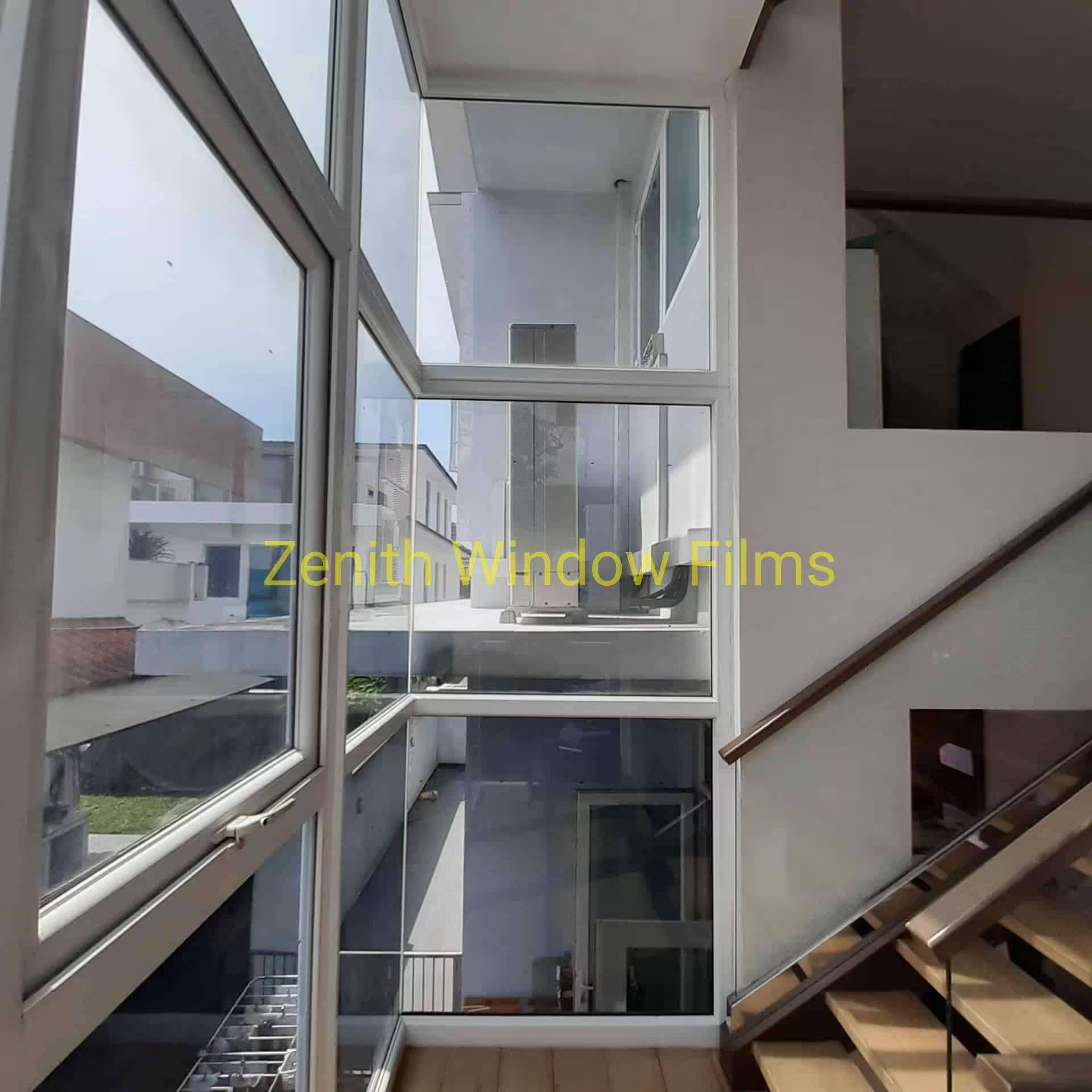
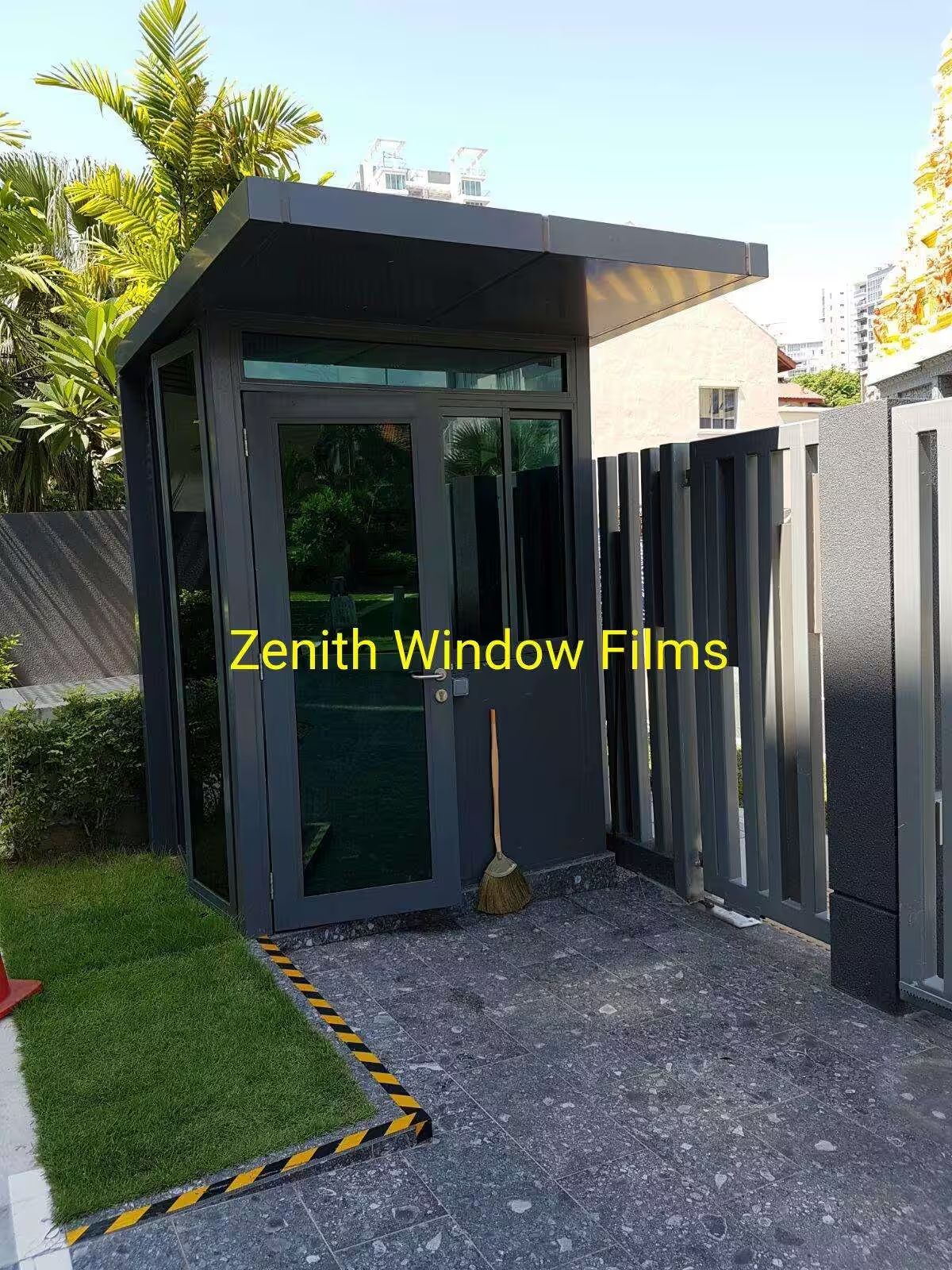
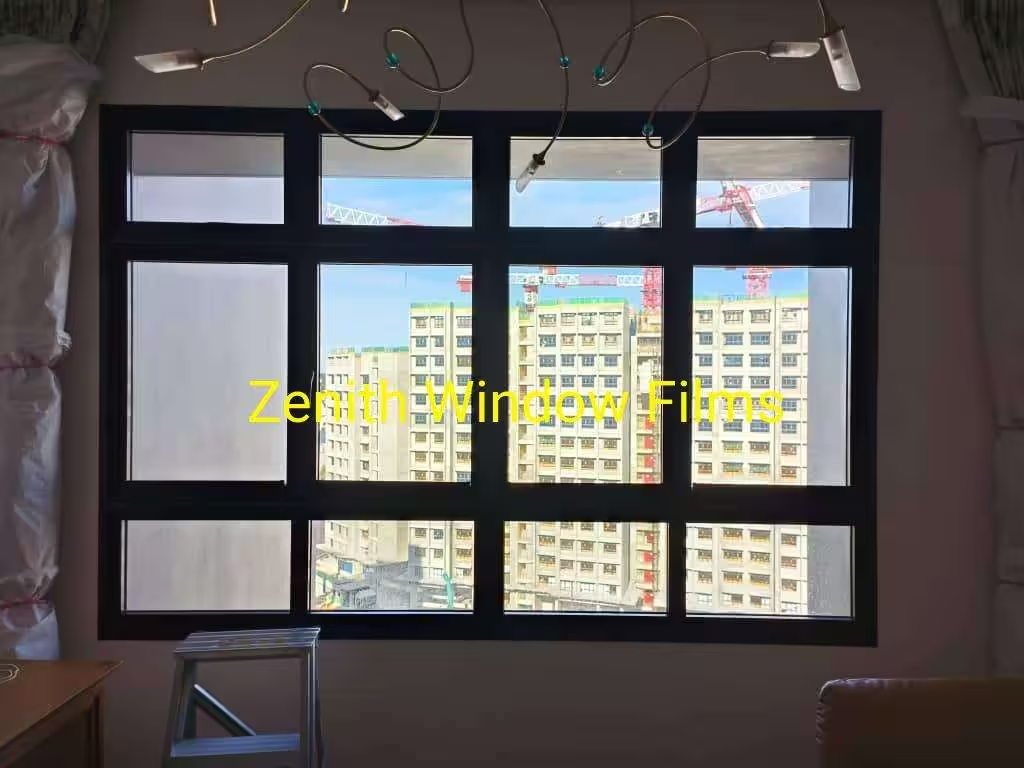
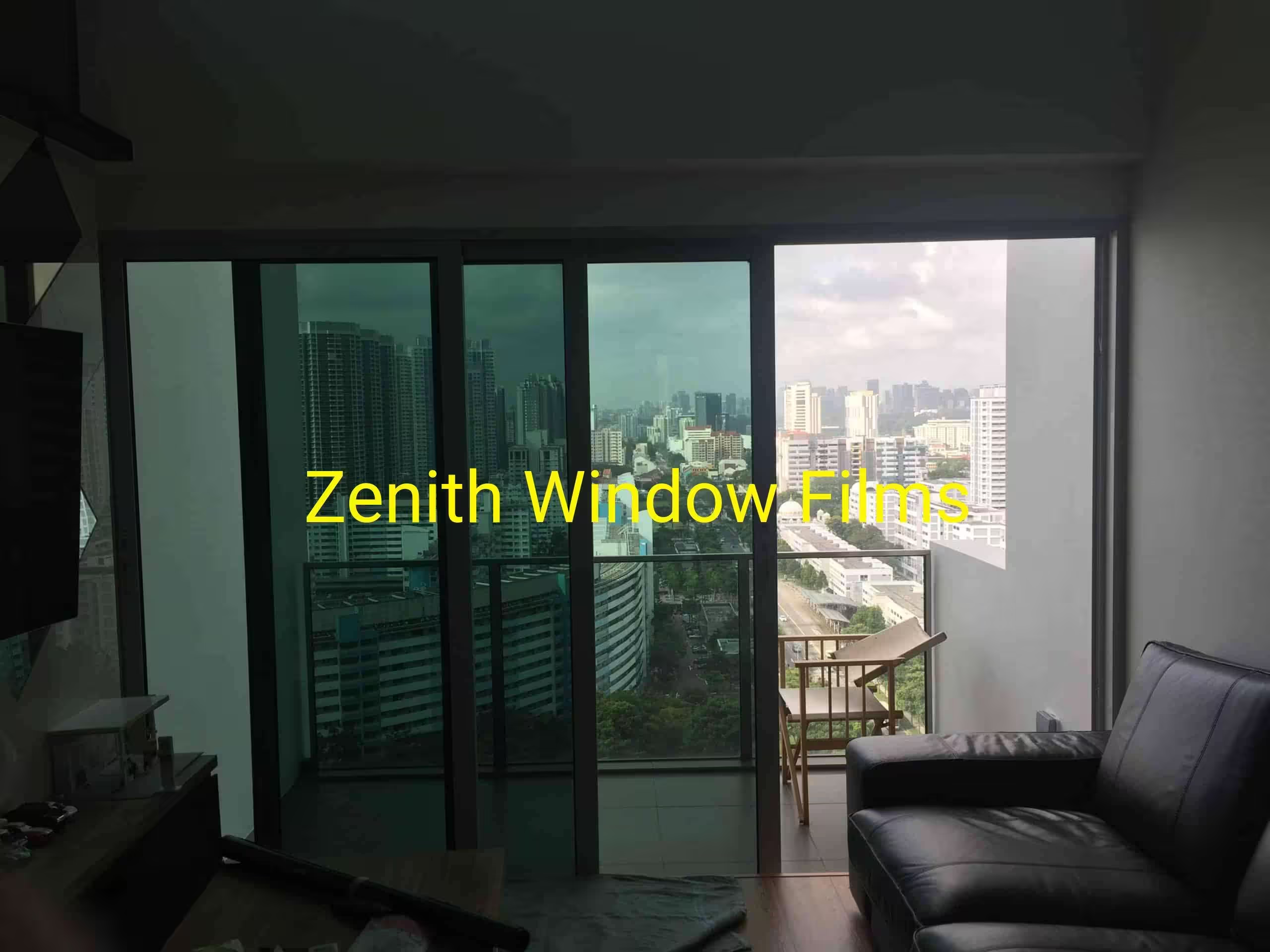
IR Series Gallery
Choosing the right installer matters just as much as choosing the right film.
At Zenith Window Films, our approach is straightforward — clear advice, proper product matching, and reliable execution from start to finish.
We work with homeowners, condo units, offices and commercial spaces across Singapore, providing recommendations based on actual site conditions, sun exposure, and how the space is used — rather than pushing you towards more expensive options that may not be necessary.
Best Features - 3M Ceramic
Architecture Films
Up To
Infrared Rejection* with
Nano-Ceramic Technology
Reduce 99% UVA &
UVB Rays
- Un-tinted windows might be able to filter the minute amounts of UVB or UVA rays but their efficiency is in no way comparable to tinted windows as these not only protect you greatly against such rays but also save your car etc. from fading under sunlight.
- A high-quality tinted window will be able to block at least 99% of harmful rays.

Zero Signal Interference
3M Ceramic
Architectural Films
- The alternative option to such windows is metallic tint ones which have a great disadvantage of interrupting cell phones and radio signals due to their metal particles.
-
No matter if you are using ceramic window tint in your office or home.
It will have no signal disturbance at all.
Daytime Privacy
& Protection
- 3M Ceramic Architecture IR Series provides you daytime privacy. No one will be able to see inside your home, office at all.
- Work, relax, and live comfortably without worrying about visibility from outside.
Clear Warranty Terms & Installation Standards
You Can Trust
- Warranty coverage for 3M window films
- 3 years warranty for casement panel/windows
- 10 years warranty for fixed/sliding panel/windows
- At Zenith Window Films, we ensure:
- Clear explanation of warranty coverage before installation
- Clean, dust-free site conditions for proper adhesion and finish
- Professional installation to minimise long-term issues
Final Verdict :
3M Ceramic IR Films
If you are deciding between 3M Ceramic IR and 3M Prestige, it comes down to priority: performance vs balance of cost and privacy.
Choose 3M Ceramic IR if you want:
- A more economical option with strong heat rejection
- A darker tint with better daytime privacy
- A clean look without heavy mirror reflection
Choose 3M Prestige if you want:
- Higher overall heat rejection (TSER), not just IR
- A brighter, clearer glass appearance
- Longer warranty coverage
- Premium performance using multi-layer optical technology
Frequently Asked Questions (FAQs)
I searched for 3M Ceramic IM, CMIR or 3M ceramic window tint. Is this the same thing?
Those searches often mix architectural and automotive 3M products. This page should clarify that Zenith is discussing the building / home-office ceramic solution, then guide car-tint users separately if needed.
Is 3M Ceramic IR the same as 3M Ceramic Architectural Series?
Searchers often use these names loosely. For architectural glass in homes and offices, the page should clearly explain that it is targeting the 3M ceramic sun-control solution for buildings rather than car tint.
Does 3M Ceramic IR make my windows very dark?
Not necessarily. Ceramic films come in different visible light options, so the final look depends on the chosen shade and your glass type.
Does 3M Ceramic IR give day and night privacy?
No solar film gives full day-and-night privacy on its own. Darker films may improve daytime screening, but night privacy usually still needs blinds or curtains.
Is darker film always better for heat rejection?
No. Darkness alone is not enough. Compare TSER, VLT, reflectivity, glare control and the intended use of the room.
What is 3M Ceramic IR window film?
It is a ceramic-based 3M solar film option used by buyers who want better heat control, UV protection and a more natural glass appearance for homes or offices.
Is this suitable for condos and ECs?
It can be, especially when customers want a lower-reflective and more natural exterior appearance.
Final suitability still depends on building guidelines and the selected film shade.
When should installation be done?
The site should ideally be clean and no longer in a dusty renovation stage so the finished installation quality is not compromised.
