🏠HDB Window Tinting Singapore
for Cooler, More Comfortable Homes

Why HDB Homes Heat
Up & How Window
Tinting Solves It
If your HDB flat heats up too quickly in the afternoon, much of that discomfort is coming through the glass.
A properly chosen HDB window film helps reduce glare, soften heat build-up and make the home feel more comfortable without replacing the windows.
At Zenith Window Films, we install solar film for HDB windows across Singapore with options for heat rejection, daytime privacy and a cleaner-looking finish.
Whether you need HDB window solar film for comfort or privacy window film for HDB units facing neighbours or corridors, the right choice should match the sun direction, room use and brightness you still want indoors.
Window Tinting Solar
Films For HDB Windows
That Improves
Everyday Comfort
Large living room panels, bedroom windows and service yard glass can let in a surprising amount of heat.
A good solar film for HDB windows helps cut sharp afternoon sun, reduce screen glare and make air-conditioning work less hard.
For many flats, the biggest improvement is that the home feels calmer during hot hours.
This matters even more for west-facing units, study corners near windows and bedrooms that warm up too fast.
The goal is not simply darker glass. It is better comfort, better light control and better day-to-day use of the space.

Solar Film For HDB
Windows Price: What
Usually Affects Cost?
When searching for solar film for HDB windows price, the final cost is usually influenced by several practical factors — not just the film itself.
These include window size, number of panels, chosen film series, and whether removal of existing film is required.
Older films with hardened adhesive take significantly more time to remove, as the glass must be properly cleaned before new installation.
Different film types — from basic heat-reduction films to high-performance options like nano ceramic or 3M Prestige — will vary in cost based on performance and durability.
In Singapore, solar film for HDB windows typically ranges from $5 per square foot for Zenith to $12 per square foot for 3M Prestige Series, depending on the complexity of the job.
For the most accurate pricing, a proper on-site measurement is recommended.
This ensures the film selected matches your home’s sun exposure, comfort needs, and budget — not just the lowest price.
HDB Window Solar Film
Options For Heat,
Privacy & Appearance
Not all HDB units face the same conditions. Some get strong afternoon heat, while others need more privacy from nearby blocks or corridors.
Solar film window tinting help reduce heat and glare while keeping the space bright.
Privacy options range from light frosted finishes to reflective films for daytime privacy.
The right choice depends on your sun direction, room use and how much light you want to keep indoors.
HDB Window Privacy
Film For Flats
Facing Corridors Or
Nearby Blocks
Some HDB owners need more than heat rejection. They also want to feel less exposed. HDB window privacy film can help for corridor-facing units, lower-floor homes, kitchen glass, service yard panels and side windows where direct sight lines are a concern.
The best option depends on when privacy is needed. Reflective film works well for daytime privacy, while frosted or decorative privacy film gives more consistent shielding both day and night.
Why Homeowners
Choose Zenith For
HDB Window Films
In Singapore
Zenith recommends films based on real site conditions instead of giving every home the same answer.
Some flats need stronger heat rejection, while others need a brighter finish, more privacy or a more cost-conscious option that still performs well.
Homeowners also look for fast response, clean installation and enough product range to compare properly.
Zenith offers both Zenith and 3M film options, practical advice and installation that is often fast when site conditions are ready.
Best Areas In an
HDB Flat To Install
Window Tinting Films
Living Room Glass
Reduce afternoon heat and glare in the main family area.
Bedroom Windows
Make rest spaces cooler and more comfortable.
Kitchen & Service
Yard Glass
Cut harsh light and improve daily usability.
Corridor-Facing Windows
Improve privacy where neighbouring foot traffic is a concern.
Start Installing HDB✔️
Window Tinting Today
We’re thrilled to offer our services and enhance the privacy, security, and energy efficiency of your home.
Our team of skilled professionals will work with you to find the perfect solution to meet your specific needs.
You’ll be amazed at the difference at Zenith’s high-quality window tinting can make in your daily life.


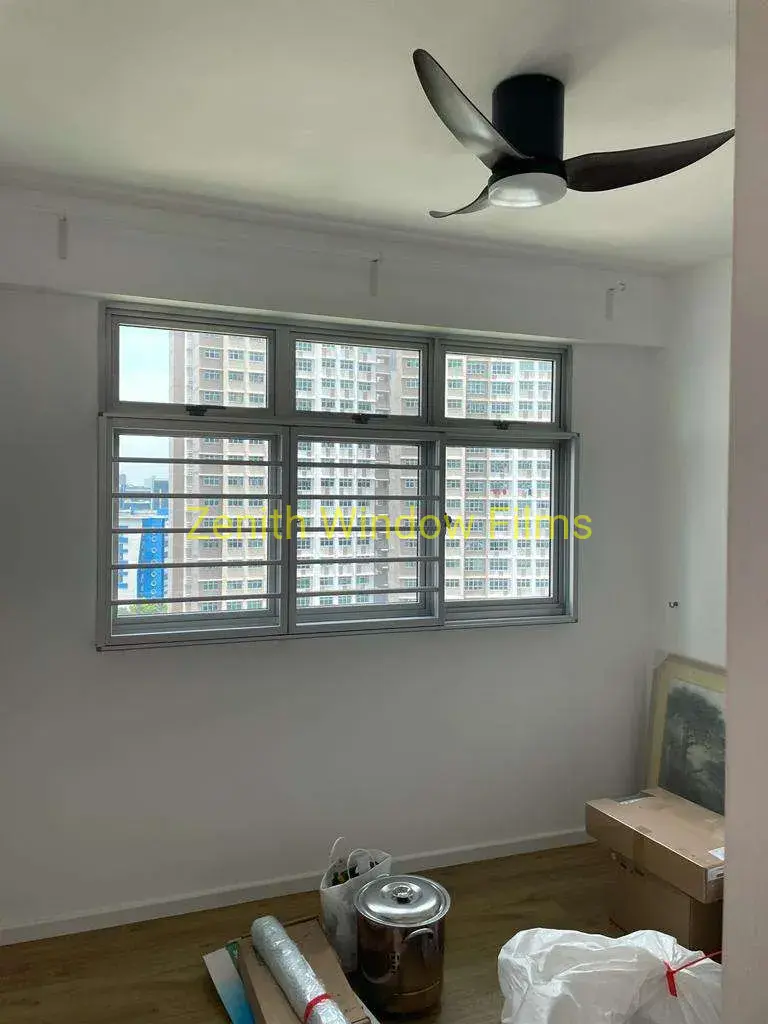
Completed HDB Window
Tinting Projects
In Singapore
50,000+
HDB Units Completed
Zenith
Nano Spectra Series
HDB
Project Specialization
Frequently Asked Questions (FAQs)
Is window tinting allowed for HDB windows in Singapore?
In general, window film can be installed on HDB home windows, but the final choice should still consider appearance, glass condition, and whether the film changes the exterior look too drastically.
For reflective or darker-looking films, it is safer to choose a series that balances heat rejection without making the façade look overly mirror-like.
What is the best window tint for HDB flats?
The best film depends on the room, sun direction, and how much brightness you want to keep. For many HDB homes, nano ceramic and premium solar films are popular because they reduce heat while keeping the home looking clear and comfortable rather than overly dark.
How much does HDB window tinting usually cost?
HDB window tinting in Singapore commonly ranges from about S$5 to S$12 per square foot, depending on the film series, total size, number of panels, and whether old film removal is needed. Premium ranges such as higher-performance ceramic or multi-layer films usually cost more than entry-level options.
Why do some HDB window tint quotations vary so much?
Price is affected by more than just the film brand. Factors such as window size, full-height panels, access difficulty, old film removal, hardened glue residue, and the performance level of the selected film can all change the final quotation.
Will solar film really reduce heat inside an HDB flat?
Yes. A suitable solar film can help reduce solar heat gain, glare, and UV exposure, making bedrooms and living areas feel more comfortable during hot afternoons. The actual improvement depends on the glass area and how much direct sun the unit receives.
Which window film is better for strong west sun?
For HDB units facing strong afternoon sun, a higher-performance solar film is usually worth considering because west sun tends to be harsher and more uncomfortable. The right recommendation should balance heat rejection, visible light, and how bright you still want the room to feel.
Will HDB window film make the home too dark?
Not necessarily. Many homeowners assume darker film means better performance, but that is not always true. Some modern films can reject significant heat while keeping the glass relatively bright, which is useful for homes that want comfort without a gloomy interior.
Can old window film be removed and replaced?
Yes. Existing old film can usually be removed before new film is installed. However, older film with dried or hardened adhesive often takes more labour because the glue residue needs to be cleaned properly to ensure the new film bonds well and looks clean.
How long does HDB window tint installation take?
Most standard HDB projects can be completed fairly quickly once measurements are confirmed and the site is ready. Smaller jobs may be completed within the same day, while larger homes or jobs involving old film removal may take longer.
Does window tint provide privacy at night?
Not all solar films provide true night privacy. Reflective or daytime privacy films work better when the outside is brighter than the inside, but at night the effect is reduced once indoor lights are on. For stronger privacy needs, frosted film, blackout film, or layered solutions may be more suitable.
Is window film better than curtains or blinds for HDB homes?
They serve different purposes. Curtains and blinds mainly block light and sight, while window film helps manage heat, glare, and UV directly at the glass. Many homeowners use both together for a better balance of comfort, privacy, and appearance.
How long does HDB window film last?
Lifespan depends on the film type, glass exposure, and product quality. A good-quality film installed correctly on suitable glass can last for years, especially when the correct series is chosen for the sun exposure and the glass is maintained properly.
Can window film be installed for BTO flats or newly renovated homes?
Yes. Window film is commonly installed for BTO flats, resale HDB homes, and newly renovated units. It is best done when dusty renovation works are completed, so the glass and surrounding area are clean enough for proper installation.
Do you offer both budget and premium film options for HDB homes?
Yes. Many homeowners want a choice between more cost-effective films and premium heat-rejection series. Offering both house-brand and branded options helps customers choose based on comfort target, appearance preference, and budget rather than a one-size-fits-all pitch.
How should I choose the right window film for my HDB flat?
Start with the actual problem you want to solve: heat, glare, privacy, UV protection, or a combination of these. The most suitable choice usually comes from matching the film to your room usage, sun direction, and desired brightness level instead of choosing based on darkness or price alone.
